
 Pukekohe · South Auckland



 Trending
How to Negotiate With Confidence (Even If You Hate It)
 July 22, 2026
 5 min read
Negotiation is not a personality trait. It is a process. You do not need to be loud, confrontational, or naturally persuasive to reach a strong property outcome. You need clear priorities, reliable information, and a plan for the moments when emotion starts doing the talking.
Whether you are buying your first home or selling a property you have owned for years, the same principle applies: preparation creates confidence. The practical steps below are the ones I use with clients around Pukekohe and South Auckland.

Know What a Good Outcome Looks Like
Before discussing price, write down what success means for you. Price matters, but it is rarely the only term. Settlement date, deposit, finance, building reports, chattels, access before settlement, and the certainty of the agreement can all change the value of an offer.
- Your ideal outcome: the result you would be delighted to accept.
- Your workable outcome: a fair result that still lets your plans move forward.
- Your walk-away point: the line you will not cross, decided before the pressure arrives.
Confidence comes from knowing your boundaries before somebody asks you to move them.
Build Your Position on Evidence
A strong position is supported by recent comparable sales, current competition, property condition, buyer activity, and the seller’s circumstances where they are known. Asking prices are useful context, but completed sales tell you what the market has actually accepted.
In a fast-moving market, evidence also has a shelf life. A sale from twelve months ago may describe a different lending environment and a different pool of buyers. Give the most weight to genuinely comparable homes sold recently in the same local market.
Ask Better Questions Before You Offer
Good negotiators spend more time learning than talking. Before making or responding to an offer, clarify the details that could influence the other side’s decision.
- What settlement timing would be most useful?
- Are there conditions that matter more than a small price movement?
- How much genuine competition is present right now?
- Has the property had previous offers, and what stopped them progressing?
- Which chattels, repairs, or access arrangements need to be written into the agreement?

Make the First Offer Deliberately
Your first offer should create a credible path to agreement. An offer that ignores clear market evidence can shut down useful conversation; an offer made without conditions or limits can expose you to unnecessary risk.
Present the full offer clearly. Explain the evidence behind it, make every condition precise, and choose a response timeframe that keeps momentum without manufacturing drama. If you are selling, assess the complete package before focusing on the headline number.
Use Silence and Time Well
You do not need to fill every pause. Once an offer or counter-offer is on the table, give the other party room to consider it. Immediate concessions can signal that more movement is available, while an unexplained delay can make a serious buyer lose confidence.
Set a rhythm: offer, clarify, consider, respond. If new information appears, return to your evidence and boundaries rather than reacting to the mood of the moment.
Trade Terms Instead of Giving Them Away
When you move, ask for something meaningful in return. A buyer might improve price in exchange for a settlement date that suits them. A seller might accept a lower number for fewer conditions and greater certainty. This keeps the discussion balanced and helps both sides understand why the agreement works.
A practical negotiation checklist
- Finance and deposit confirmed
- Comparable sales reviewed
- Ideal result and walk-away point written down
- Conditions checked with your solicitor
- Settlement timing understood
- Every agreed change recorded in writing
Keep Emotion Out of the Decision
Property is personal. Buyers picture their lives in a home; sellers remember the lives they have already lived there. Emotion is normal, but it should not decide the legal and financial terms.
If the conversation becomes stressful, pause. Re-read the numbers, revisit the plan, and speak with the professionals advising you. Walking away from the wrong agreement is also a successful negotiation.
Get the Agreement in Writing
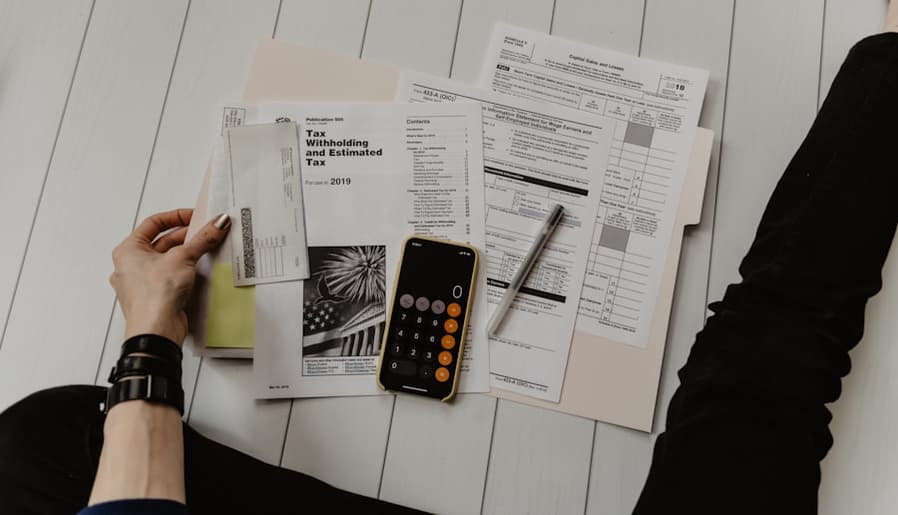
Nothing is agreed until it is correctly documented. Verbal understandings about repairs, chattels, access, dates, or conditions can disappear once memories differ. Make sure every negotiated point is written into the sale and purchase agreement and reviewed by your solicitor before you commit.
The Bottom Line
The best negotiators are rarely the most aggressive people in the room. They are the best prepared. They know what matters, listen carefully, use evidence, and stay willing to walk away when an agreement no longer serves their goals.
If you are preparing to buy or sell around Pukekohe, I am happy to talk through the likely pressure points before they become urgent. A short, honest conversation early can save a great deal of uncertainty later.

Let's Talk About Your Property Journey
Whether you're ready now or just starting to think about it, a quick call costs nothing — and could save you a lot.
Keep Reading
More Posts You Might Like.
 Buying
 Nov 18, 2025
 8 min
8 min
First-Home Buyer Survival Guide: Pukekohe 2026 Edition
Deposits, school zones, KiwiSaver withdrawals, inspection day and the surprise costs nobody mentions.
Read Article
 Community
Jul 22, 2026
5 min
A Day in the Life: What Your Salesperson Actually Does
A typical week includes far more than open homes, with preparation and follow-up doing the real work.
Read Article
 Selling
Jul 22, 2026
5 min
Auction vs Tender vs Price by Negotiation
Three sale methods, three different buyer experiences and a plain-English guide to choosing well.
Read Article
